Past Exhibition
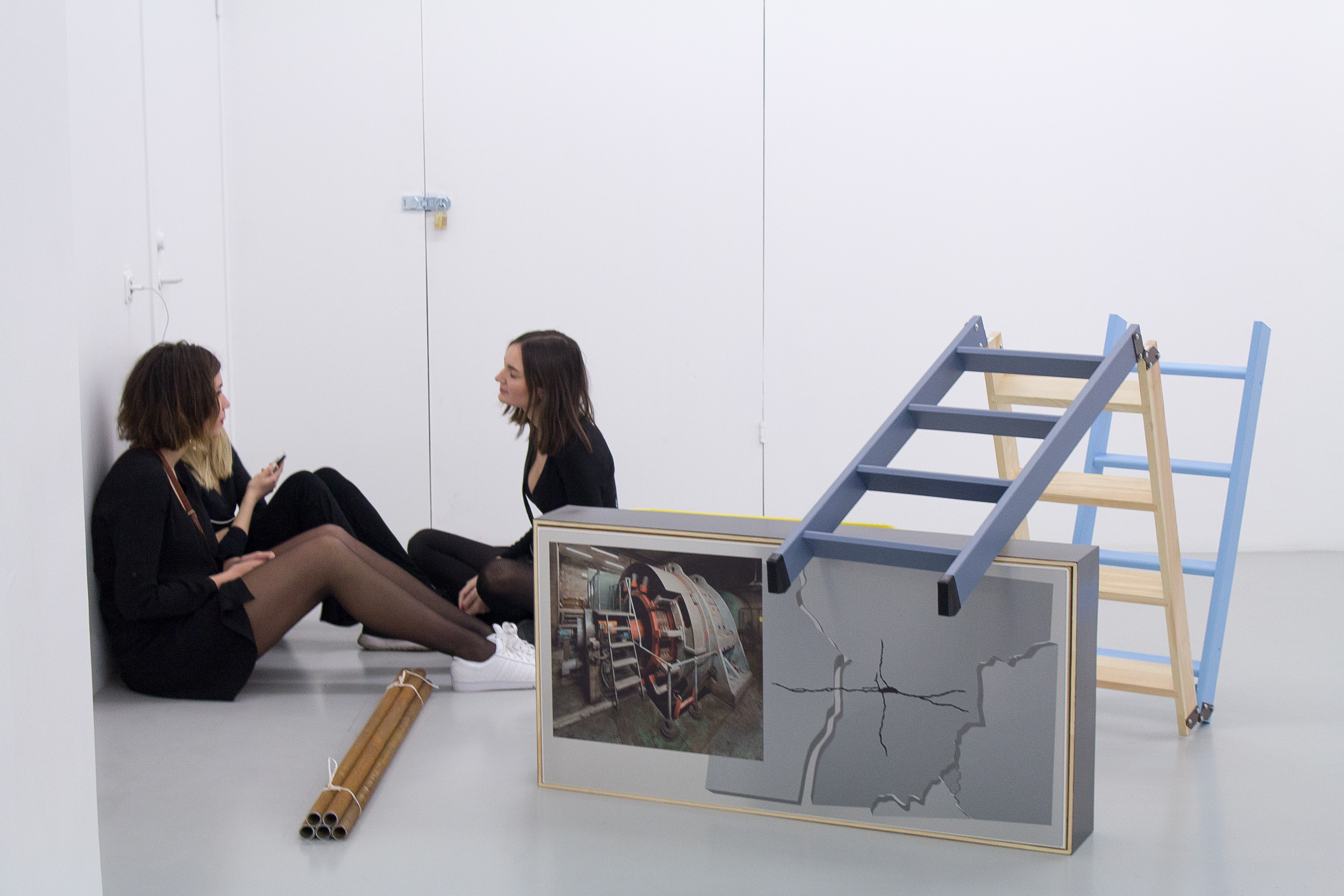
Exergy
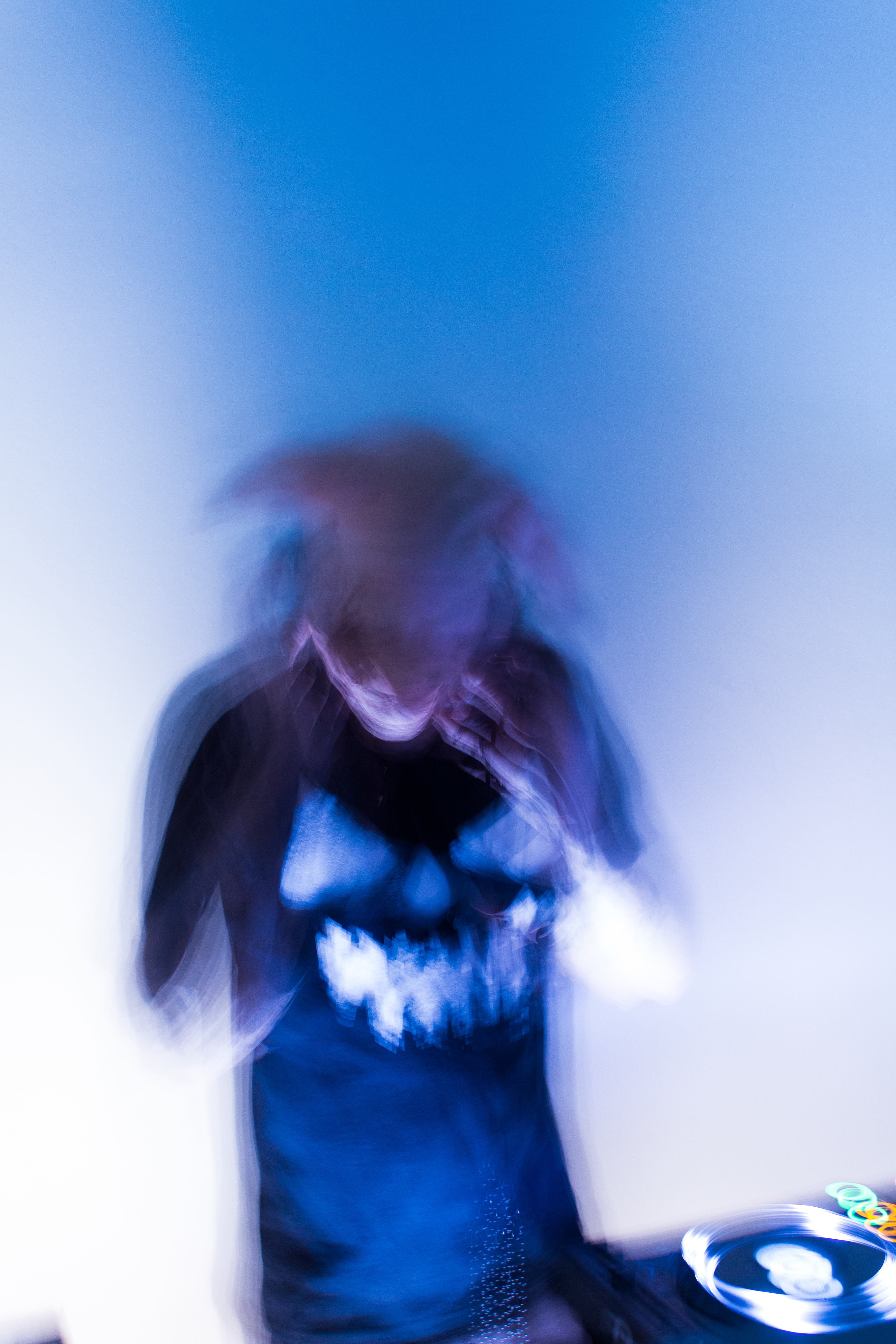
Anna Sagström, Dull City
31 December 2015
ANNA SAGSTRÖM & DULL CITY
EXERGY
While studying the cycle of a steam engine's operation, William Thomson (Lord Kelvin) came to the conclusion that whereas work may be completely converted into heat, the reverse does not hold true: in the process of harvesting heat back onto the production cycle, there is always a remainder, some percentage which remains as heat, and is thus lost for industry. This observation led Thomson to conclude that there was a universal tendency for mechanical energy to dissipate, which he saw as an irreversible process leading to an inevitable "increment of inefficiency."
This was a seemingly trivial conclusion, concerning a practical–engineering–problem about the optimization of the production process. Thomson, however, extrapolated his findings to a universal process entailing the dramatic conclusion that the universe would inexorably meet its end in what Hermann Helmholtz came to call a "heat death":
1) There is at present in the material world a universal tendency to the dissipation of mechanical energy.
2) Any restoration of mechanical energy, without more than an equivalent of dissipation, is impossible in inanimate material processes, and is probably never effected by means of organized matter, either endowed with vegetable life or subject to the will of an animated creature.
3) Within a finite period of time past, the earth must have been, and within a finite period of time to come the earth must again be, unfit for the habitation of man as at present constituted, unless operations have been, or are to be performed, which are impossible under the laws to which the known operations going on at present in the material world are subject.
The term "entropy" was introduced in 1865 by Rudolf Clausius, who had noticed that a certain ratio was constant in reversible heat cycles–the ratio of heat exchanged to absolute temperature–which he thought must correspond to a real, physical quantity. He termed this quantity "entropy." In thermodynamics, entropy provides a measure of the energy unavailable for work: entropy is a negative kind of quantity, the opposite of available energy.
In the physical sciences entropy is the only movement that seems to imply a particular direction, something like an arrow of time. As energy is more easily lost than obtained, all isolated systems will eventually deteriorate and start to break apart: in a closed system, available energy can never increase. According to the second law of thermodynamics—the law concerning the dissipation of mechanical energy–the entropy of the universe tends to a maximum. In the scientific description of physics, this is when the universe reaches thermodynamic equilibrium. In other words: in a energy-depleted universe, unfit for the habitation of man as at present constituted, "the stable state of a living organism is to be dead."
To quote Bruce Clarke, "energy had no sooner been delivered to the world of science as a primary physical concept on a par with matter than it was shadowed by its evil twin entropy, the demonic underside of energy's divine potency." While railroads and steamships carried the promise of unlimited economic expansion, this seemingly unbridled industrial development went hand in hand with deteriorating social conditions for the urban masses, marked by poverty, malnutrition, delinquency, and disease. Although William Thomson did not develop the analogy between the degraded state of the laboring poor and the deterioration of energy under the actions of a mechanical engine, the second law of thermodynamics is an apt social metaphor:
"Production of work rides on the back of wasting the sources of work, the workers."
(From "Death Wall: Extinction, Entropy, Singularity" by Ana Teixeira Pinto, first published in e-flux journal issue no. 67, 11, 2015)
✘
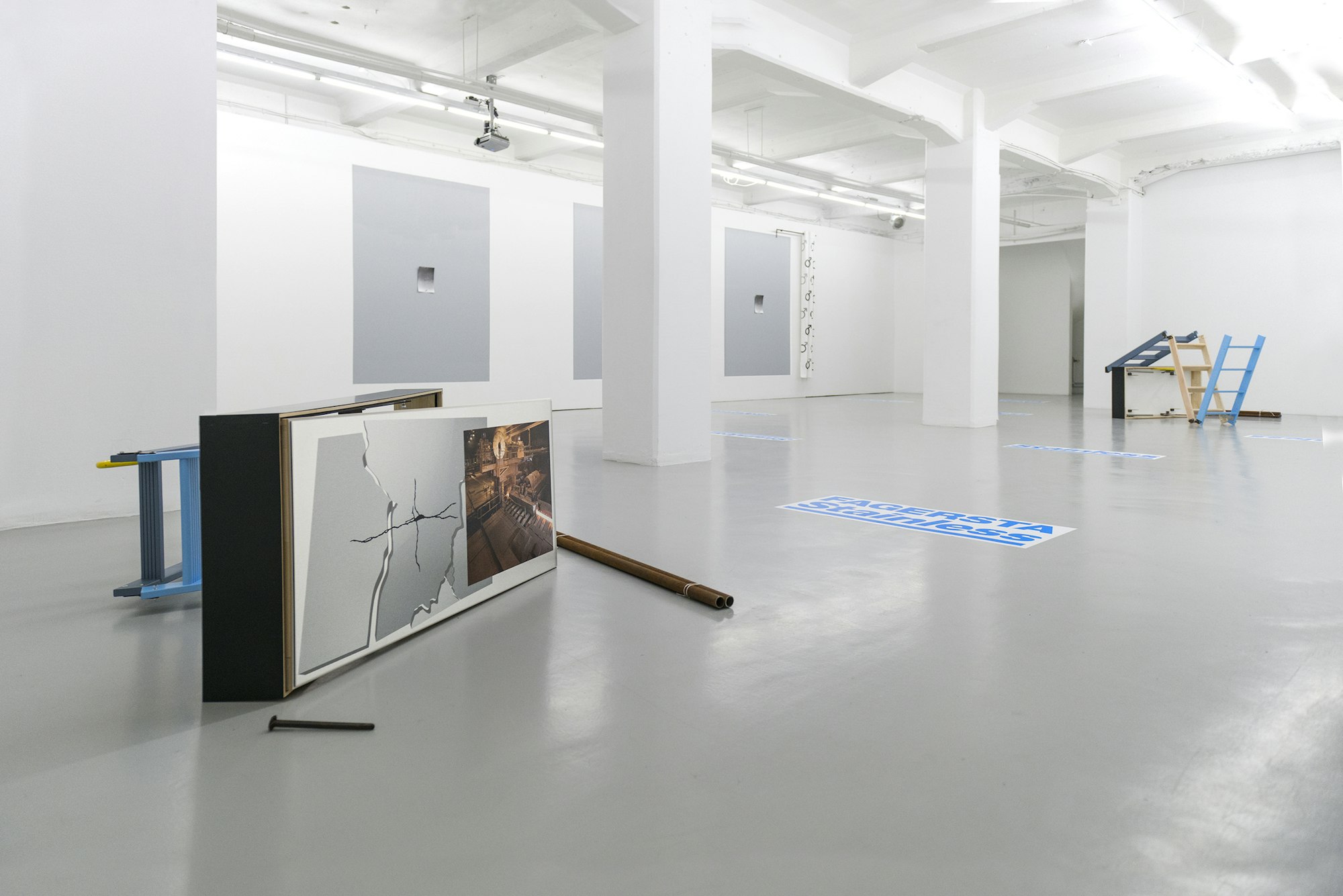
Anna Sagström (b.1985) lives and works in Berlin and Fagersta. She holds a Bachelor's degree (Hons) from Glasgow School of Art in Glasgow and a Master's degree from Konstfack University in Stockholm. She is co-founder of and co-curator at Minibar Stockholm. In her sculptural work she uses materiality and sound at the intersection of technological and biological advancement to put focus on issues concerning civilization patterns and geographies, economical movements, class structures and the rural periphery. Coming projects include a solo exhibition at Garret Grimoire in Vienna in January 2016.
annasagstrom.com
dullcity.net
✘✘✘
"For Auld Lang Syne"
✘✘✘